
Hope Demands Action
The Christian Presence is at Risk in its Birthplace
Numbers are often used to describe the story of the Holy Land: the number of people killed or displaced, homes destroyed, villages attacked, businesses forced to close, and schools damaged. But behind every number is a human being, with a story of their own. Together, these individual stories form the story of a community whose ancestors have been here since the very beginning of Christianity—preserving the memory of Christ’s life and bearing witness to the Gospel.
Today, that Christian presence is facing one of the most critical turning points in its two-thousand-year history. This may sound like a stark assessment, but the reality speaks for itself. Many Christian families in Bethlehem and Jerusalem, in villages across the West Bank, and, of course, in Gaza, have been enduring increasingly difficult living conditions. For more than three years, restrictions on movement, the cancellation of work permits, and the paralysis of the tourism sector have severely affected their ability to work and provide for their families. Christian communities are now facing an extraordinary unemployment rate of 54%—roughly double the national average.
For generations, Christian craftsmen, hotel workers, shopkeepers, tour guides, drivers, and restaurant owners have relied on pilgrims coming to the Holy Land. With tourism largely paralyzed, countless livelihoods have disappeared almost overnight.
The consequences are especially grave for the next generation. When a young person finishes university or vocational training and finds little prospect of employment, emigration can become difficult to avoid. Leaving the land of one’s ancestors means leaving behind not only a home, but also a part of who they are—the story they have inherited and are called to witness to, and, in a sense, their vocation. To leave is to be forced to step away from a land and a community to which they feel deeply called to belong. Yet many feel trapped, with no viable alternative. This painful reality raises a profound question: what happens when an entire generation begins to believe that its future lies elsewhere?
Nowhere is this crisis more stark than in Gaza, where a historic Christian community has been devastated. Only 541 Christians remain today. Others have been forced to flee, while others have been killed in the conflict or lost their lives amid the collapse of basic medical care and the shortage of essential supplies. Yet even amid this devastation, some choose to remain. They pray without ceasing. They care for one another. They endure. Their presence is a daily act of courage.
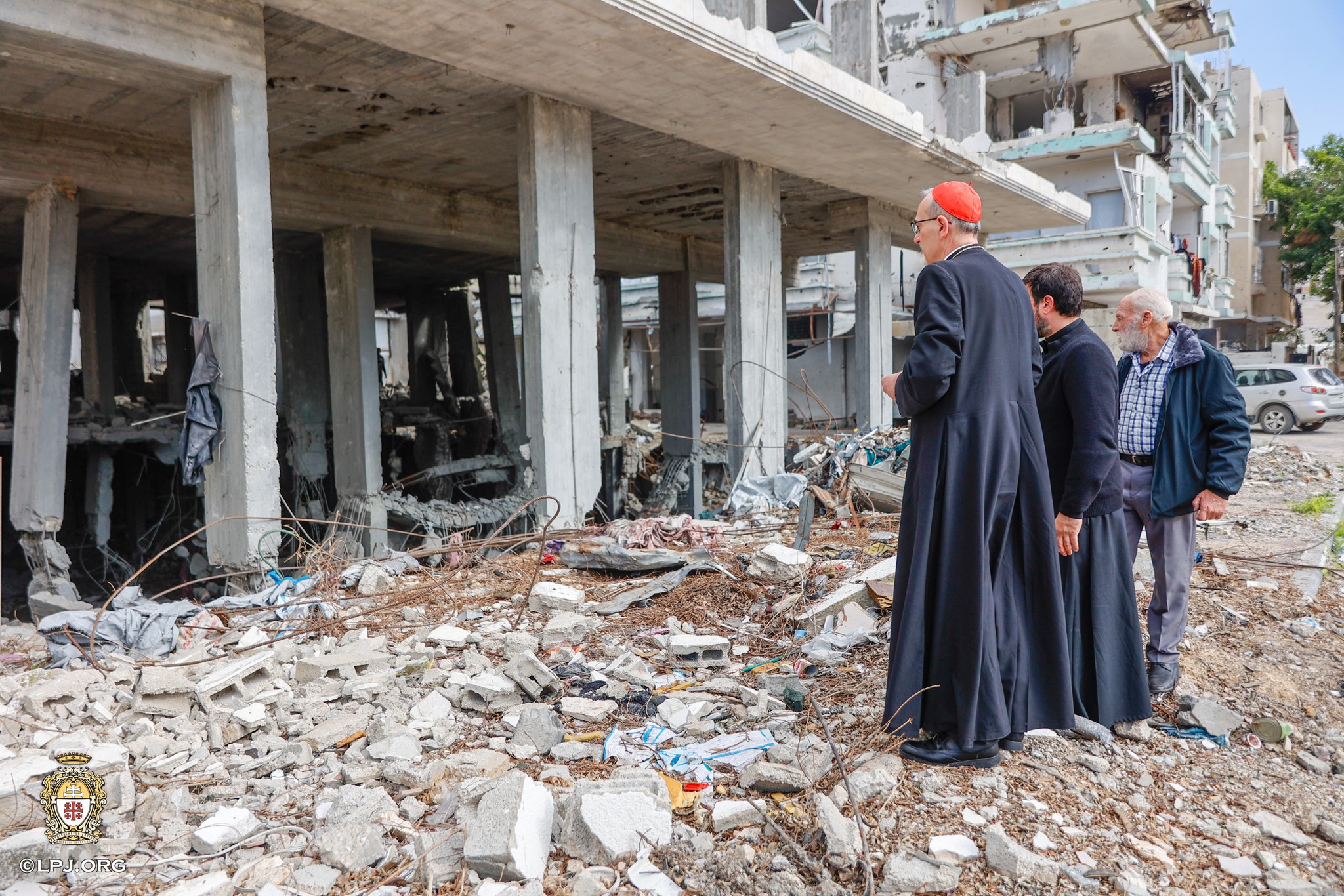
The possibility of a Holy Land without Christians should deeply concern believers around the world. This is not merely a demographic shift; it is a crisis of history, identity, and faith. What would it mean for the birthplace of Christianity to become an empty museum of physical stones and archaeological sites? The living stones must remain.
This is why international Christian solidarity is so vital. Support cannot merely mean responding to immediate emergencies; it must empower people to believe that they still have a future here in this land.
We see this small fight for hope every day in our schools, where children continue to learn and dream. We see it in young people striving to acquire skills, and in families working to remain rooted in their ancestral lands.
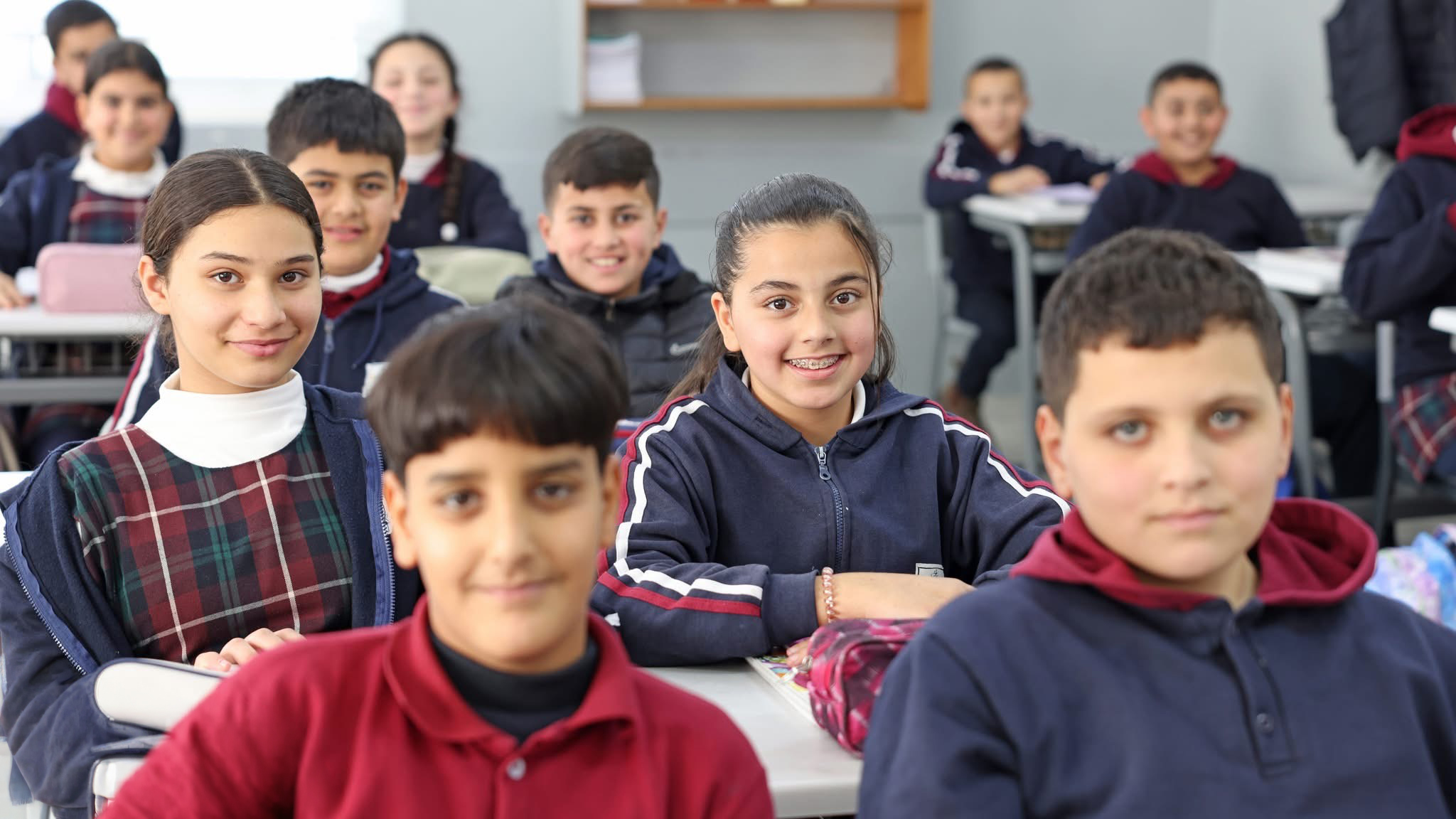
The urgency becomes especially acute at the start of every academic year. For struggling families in our troubled region, preparing a child for school is no longer simply a moment of joy, but can be a source of overwhelming anxiety. Through the Latin Patriarchate’s urgent Back-to-School Initiative, we are stepping in to cover vital educational costs for the most vulnerable families and children in our region. Restoring a child’s dignity shields them from feeling left behind and declares that hardship will not steal their right to learn.
Across the West Bank, Jerusalem, and Gaza, the effort to keep schools open—and, where possible, to reopen them—represents a courageous statement that destruction will not have the final word. Our responsibility is clear. We must invest in education, vocational training, small-business creation, and community institutions. We must give families concrete reasons to stay—not because they are trapped, but because they can build a dignified and sustainable life in their homeland.
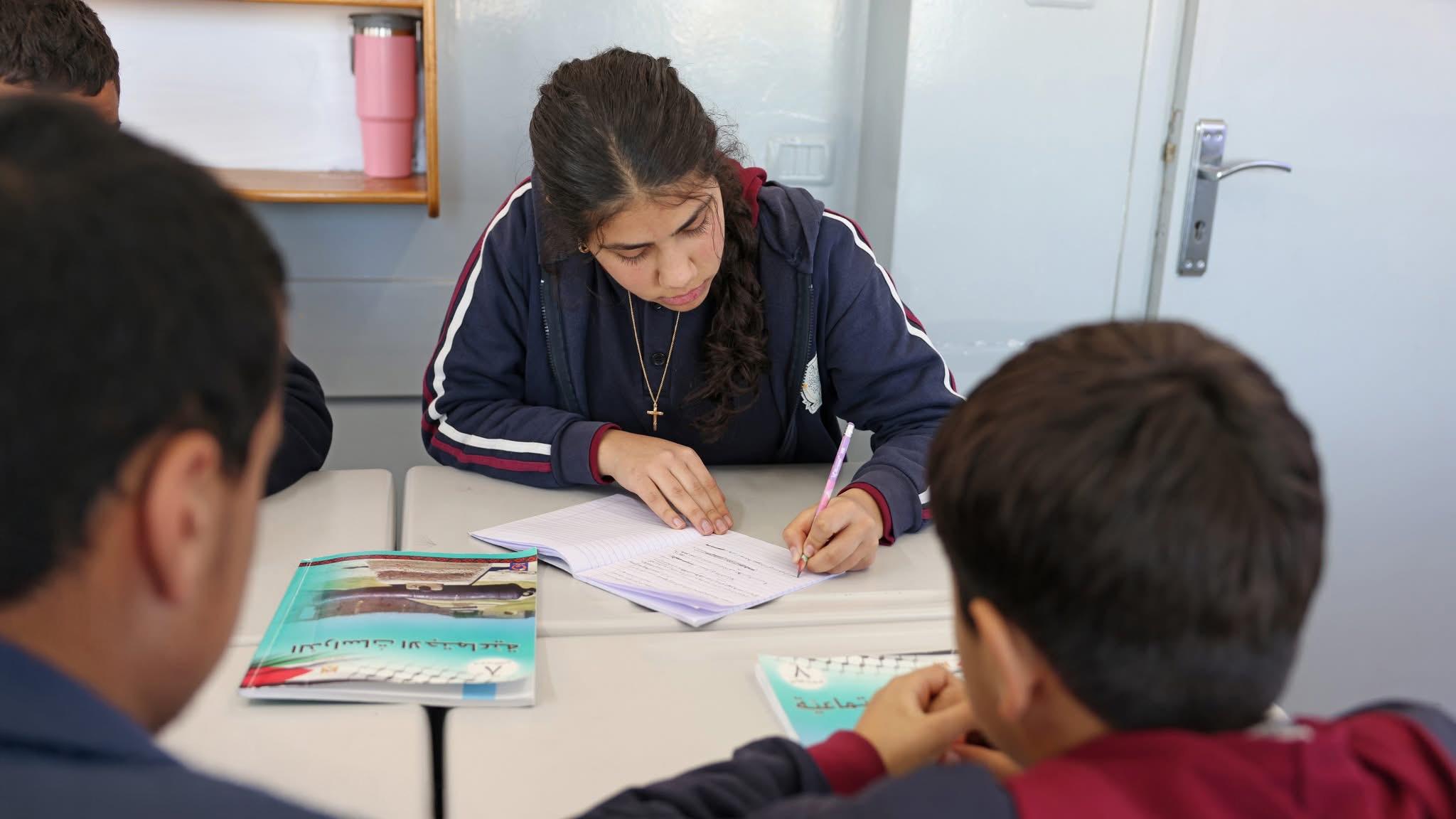
Despite all they have endured, the overwhelming majority of Christians in the Holy Land remain deeply committed to their homeland. They do not wish to be preserved as a historical curiosity or reduced to a part of the past. They are asking for the opportunity to live, work, raise their children, and practice their faith with dignity in the land where Christianity began.
The Holy Land gave the world the greatest story of hope ever told. Today, Christians need our help to keep that hope alive in them.
Contact for Support & Partnerships:
Mr. George Akroush
Director of the Latin Patriarchate Development Office
Email: [email protected]