

Domenica 10 maggio 2026, la città di Haifa ha assistito alla tradizionale processione della Madonna del Monte Carmelo, conosciuta localmente come Taalat al-Adra (l'Ascesa della Vergine), mentre migliaia di fedeli si sono riuniti in preghiera e devozione per accompagnare la venerata statua della Vergine Maria dalla Parrocchia Latina di San Giuseppe al monastero carmelitano di Stella Maris in cima al Monte Carmelo.
Mentre il sole pomeridiano iniziava lentamente a calare, scout, clero e fedeli sono scesi in strada in una processione solenne ma gioiosa. Trascinando la statua di Nostra Signora del Monte Carmelo, del peso di 900 chilogrammi, lungo le strade principali della città, con i rosari in mano e le preghiere che si levavano all’unisono.
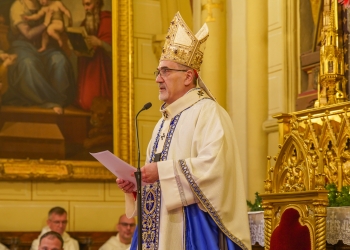
La processione era presieduta da Sua Beatitudine il cardinale Pierbattista pizzaballa, Patriarca di Gerusalemme per i latini, accompagnato dall’arcivescovo Giorgio Lingua, nunzio apostolico, da monsignor Rafiq Nahra, vicario patriarcale di Galilea, insieme al clero di diverse chiese sorelle e a migliaia di fedeli giunti da diverse città per onorare la Vergine Maria del Carmelo.

Di solito celebrata la terza domenica dopo Pasqua, la processione di quest’anno era stata rinviata. Tuttavia, il rinvio sembrava aver solo accresciuto il significato spirituale dell’evento, che si è svolto nel mese di maggio, dedicato alla Beata Vergine Maria. «Quest’anno in particolare, dopo che la processione era stata rinviata per motivi di sicurezza, i fedeli sono tornati con uno spirito di preghiera più profondo», ha affermato padre Koubrianos Koubrianos, parroco della parrocchia latina di Haifa. «Era come se i fedeli dicessero: nonostante la nostra paura, continuiamo a camminare con Maria; e nonostante la nostra stanchezza, continuiamo a volgere lo sguardo verso Dio, l’unico che ci conduce alla vita e alla salvezza».
Ha riflettuto sulla natura simbolica della salita stessa, osservando che il percorso della processione dalle strade della città verso il Santuario di Nostra Signora del Monte Carmelo rispecchia il cammino dell’umanità: «È un’immagine dell’umanità che ascende dalla stanchezza e dall’ansia di questa terra verso la presenza di Dio, con la Vergine che li accompagna come madre e patrona lungo il cammino».
«La fede non si vive solo tra le mura della Chiesa, ma si porta nelle strade e nella vita quotidiana. Come Maria, siamo tutti chiamati ad essere messaggeri di pace e di amore — portando una speranza più forte della paura e diventando ponti di amore e di luce in un mondo ferito e diviso», ha aggiunto.
Più che una tradizione storica, la processione rimane una testimonianza vivente di fede profondamente radicata nella vita della popolazione locale. La tradizione stessa risale alla Prima guerra mondiale, quando i soldati ottomani ordinarono ai Padri Carmelitani di evacuare il monastero di Stella Maris entro tre ore. I religiosi se ne andarono portando con sé solo alcuni documenti d’archivio e la statua della Vergine Maria. Dopo la fine della guerra, il 27 aprile 1919, la statua fu solennemente riportata al monastero in una processione di ringraziamento per la protezione della Vergine sulla città durante gli anni del conflitto. Da allora, la salita annuale è diventata una delle tradizioni cristiane più amate in Terra Santa.

«Ciò che contraddistingue questa celebrazione», ha condiviso suor Mona Amil Tawtah, delle Suore di San Giuseppe dell’Apparizione, «è che i cristiani di tutte le Chiese si riuniscono qui, e questa bellissima unità si vede raramente in altre celebrazioni. Mi fa sentire che Maria è veramente la Madre che riunisce i suoi figli».
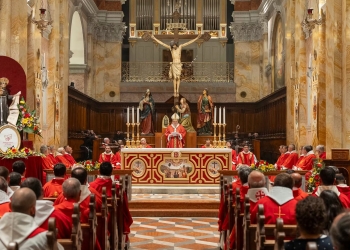
Quando il corteo giunse nella piazza del monastero di Stella Maris, il sole stava tramontando all’orizzonte e i suoi raggi morenti proiettavano una luce dorata sulla statua della Vergine, mentre veniva portata nel santuario dai fedeli tra preghiere e inni. Poi fu letto il Vangelo.
Prima di impartire la benedizione finale, il Patriarca si è rivolto alla folla, dicendo: «È bello vivere questa profonda esperienza come comunità; i fedeli qui presenti non provengono solo da Haifa, ma dalla Galilea, da Gerusalemme, da Betlemme; tutta la Terra Santa è qui presente oggi». Ha ricordato che la processione è iniziata più di un secolo fa come atto di preghiera per la protezione di Haifa e della Terra Santa dalla devastazione della guerra, aggiungendo: «Ancora una volta ci riuniamo qui, tra una guerra e l’altra, per affidare le nostre famiglie, le nostre comunità e le nostre vite a Dio attraverso l’intercessione di nostra Madre, la Vergine Maria». Ha riconosciuto che i fedeli sarebbero tornati alle loro case, con le loro vite ancora segnate da molte difficoltà, ma rafforzati dalla benedizione spirituale e dalla protezione della Madonna del Monte Carmelo.
«Non dobbiamo avere paura, perché abbiamo tutto ciò di cui abbiamo bisogno: Gesù e la Santa Vergine». La celebrazione si è conclusa con l’assemblea che ha recitato il «Padre Nostro».