The village of Zababdeh is located in the northern part of Palestine and is considered one of the largest Christian communities in the Palestinian territories, with Christians making up more than 65% of its population.
Geographically, the village lies between Lubban to the south and Jenin to the north. Although the area is mountainous, it also includes several plains, among them the Tubas Plain and the Zababdeh Plain. According to the Bible, it was in the vicinity of this area that Jacob’s sons grazed their flocks and sold their younger brother Joseph to a caravan travelling to Egypt.
The Gospels mention the region of Samaria on several occasions. In one of its villages, the disciples asked Jesus to call down fire from heaven to destroy the village because its inhabitants had refused to welcome them, as they were on their way to Jerusalem (Luke 9:54–58). In the same region, Jesus healed ten lepers (Luke 17:16). One of the most beautiful passages in the Gospel recounts Jesus’ encounter with the Samaritan woman in Chapter 4 of the Gospel of John. In the Acts of the Apostles, we read that Philip the Deacon preached in Samaria, and that Peter and John went there and laid their hands on the new believers, who then received the Holy Spirit (Acts 8:14).
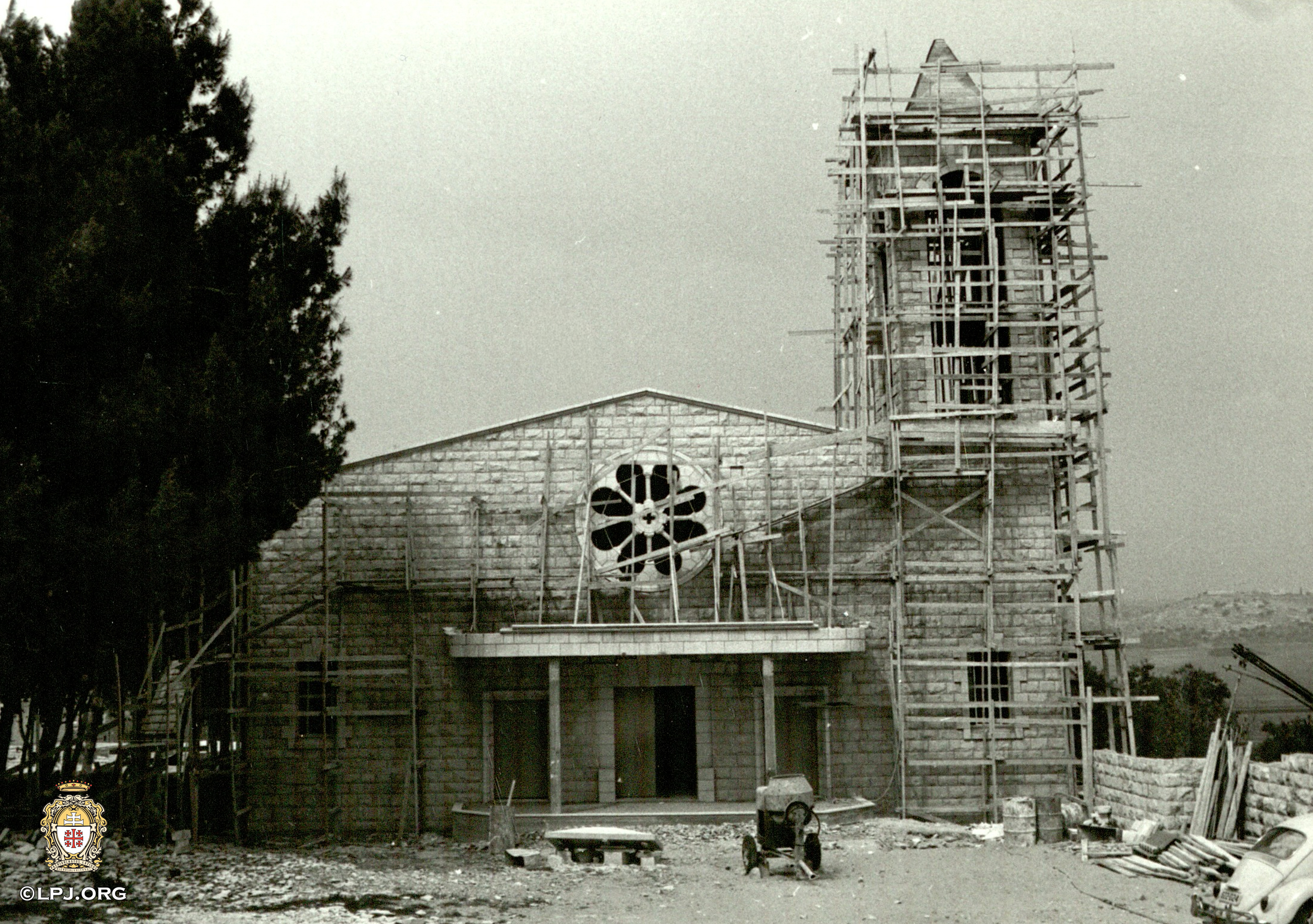
The Latin parish in Zababdeh was established in 1883, following a request by the villagers to the priest of Nablus for a Latin priest to provide pastoral care for the Christians of the area. In response, the first Christian teacher was sent to the village. This was followed by the purchase of a plot of land and the construction of the first church building, measuring 13 metres in length. A year later, the Sisters of the Rosary arrived in the village, In the house of the sisters, Saint Marie-Alphonsine Ghattas also lived and served the parish of Zababdeh. She dedicated her life to prayer, apostolic work, and serving the parishioners, particularly through the education of girls and nurturing them in the Christian faith.
In 1906, work began on rebuilding the church, which was expanded to 16 metres in length. The first Latin Patriarch to visit the village and bless its church was Patriarch Luigi Barlassina, on 14 February 1971.
Pastoral Life
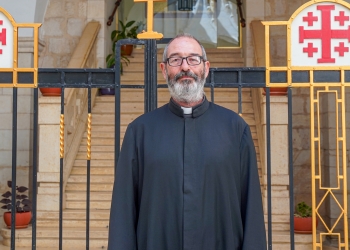
The parish is home to numerous active groups that enrich its spiritual and social life. These are guided by the parish priest, Fr. Elias Taban, and the assistant priest, Fr. Basel Bransi, together with the Sisters of the Rosary: Sister Carmela Bukhaz‘a, Sister Najleen Banna, and Sister Iles Helo. Among the main groups are the Parish Pastoral Council, Youth Group, Scouts, Choir, Fraternity group, and altar servers. Through their various activities, these groups bring together parishioners of different ages and backgrounds.
Parish Council
The Parish Pastoral Council consists of 12 members who, in collaboration with the parish priest, oversee parish affairs and contribute to the church and development of its pastoral work. Their responsibilities include planning pastoral programmes and initiatives, as well as coordinating the work of the various committees and activities.
Youth Group
The Youth Committee caters to different age groups, ranging from children and teenagers to university students and young professionals. It organises a variety of meetings and activities aimed at strengthening Christian faith and fostering spiritual, intellectual, and social growth. These include lectures, seminars, and opportunities for dialogue and the exchange of ideas on various aspects of daily life and religious matters. Approximately 500 people take part in the different youth activities.
Scout
The First Zababdeh Scout and Guide Troop was established in 1981 through the initiative of local residents. It comprises eight sections for age groups ranging from 6 to 30 years old,the troop has approximately 400 members and includes musical groups such as bagpipes, drums, and percussion.
The Scouts also take part in all religious celebrations, both within and outside the village. Their regular activities include weekly meetings, camps, trips, volunteer initiatives, environmental and health-related activities, as well as educational and cultural courses. Through these activities, the Scout movement plays an important role in nurturing and forming future generations.
Choir
The church choir is an essential part of the parish's spiritual and liturgical life, leading hymns and religious chants during Masses, celebrations, and various ecclesial occasions. It comprises approximately 35 members.
Fraternity Groups
The parish has three confraternities: the Legion of Mary, the Divine Mercy Confraternity, and the Marian Fraternity group. These groups seek to strengthen the spiritual life of their members through prayer, regular gatherings, reflection on Christian teachings, and participation in parish activities and ecclesial celebrations. Each confraternity has approximately 45 members.
Altar Servers
The altar server group comprises 42 boys and girls who began serving at the altar on the Feast of the Presentation of the Lord, on 2 February 2026.
Latin Patriarchate School of Zababdeh
The school and the kindergarten of the Latin Patriarchate in Zababdeh began delivering its religious, educational, and educational message to the town's children and those from some neighboring villages since 1883. This school gained a good reputation in the region, with its student population reaching about seventy students in the academic year 1942/1943, including both male and female students. The school continued to grow gradually until it took a significant step in 1982 when the number of students in that year reached 471, whereas the preceding year's count was 303.
Until 1995, the school only went up to the tenth grade. However, those responsible for the school were determined to develop it. Indeed, the eleventh grade was opened, followed by the twelfth grade (the Tawjihi scientific section). The first batch of students graduated, and it was named the Charles de Foucauld batch. The school's student count in the 1998/1999 academic year reached 868 students.
In the 2012/2013 academic year, the school administrators sought to open a humanities branch to make it a comprehensive secondary school. Indeed, the first batch of the humanities branch graduated in the following academic year, 2013/2014, with a 100% success rate. The number of students at the Latin Patriarchate School - Zababdeh in the 2015/2016 academic year reached 1,000 students from 22 residential areas, half of whom were from Zababdeh, this number makes it one of the largest schools in the Latin Patriarchate in Palestine, the number of students could have been even higher were it not for the difficult political, security, and economic conditions affecting the region, which create challenges for families and limit the school's ability to attract more students under the current circumstances.
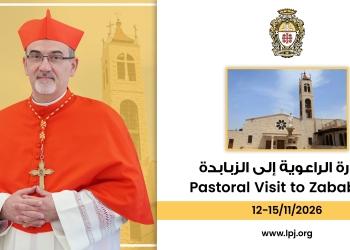
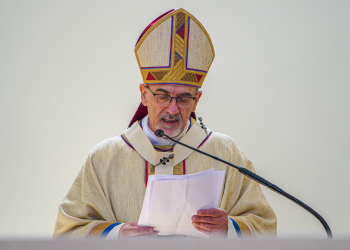
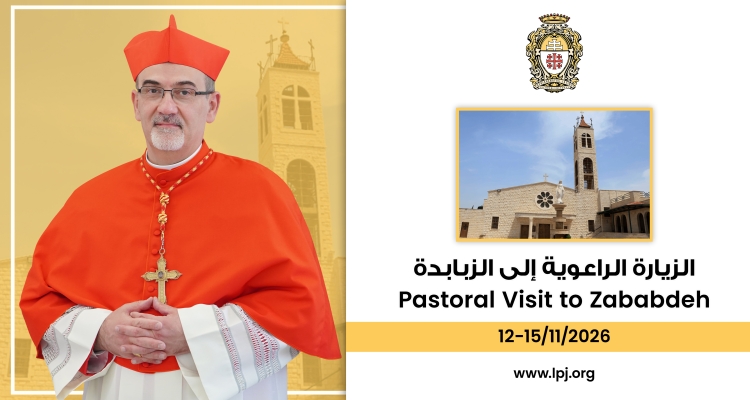
His Beatitude Cardinal Pierbattista Pizzaballa, Latin Patriarch of Jerusalem,
will conduct a pastoral visit to the Latin Parish of Zababdeh from November 12 to November 15, 2026.
Follow our Facebook and Instagram pages for daily photos and updates throughout the visit.