November 22, 2026
XXXIV Sunday in Ordinary Time, Year A
The Solemnity of Our Lord Jesus Christ, King of the Universe
The Gospel account that concludes the liturgical year is full of wonder. Two groups of people—the saved and the condemned—stand before the same King, and all of them, without exception, ask the same question: “When did we see you?” (Mt 25:37, 39, 44). None of them had recognized the Lord in the hungry, the stranger, the sick, or the prisoner. Yet it was precisely there that the truth of their lives was revealed.
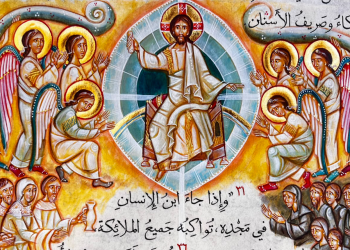
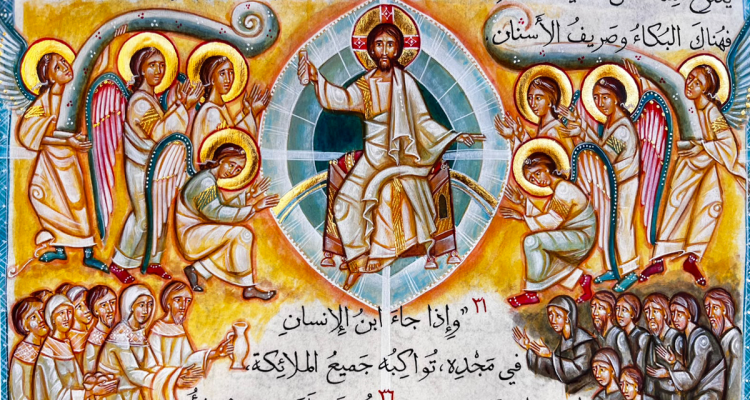
The scene is solemn: the Son of Man sits on his glorious throne, and all the nations are gathered before him. But this King’s criteria come as a surprise. There is no mention of extraordinary achievements or particularly heroic religious practices. Those whom he calls blessed are the ones who gave food and drink, who have welcomed, visited, and cared for others. Simple gestures, often hidden, "ordinary" acts, carried out amid the necessities of life.
What is striking is that the righteous do not know they have served Christ. They did not help others to obtain a reward or to build a certain image of themselves. They responded to a real need they encountered along the way. That is why their good deeds appear genuine: they spring from concern for others, not from self-interest.
But the heart of the account is even more surprising. The King and Judge of the universe identifies himself not primarily with those who help, but with those in need: “You did it to me” (Mt 25:40). Christ takes the place of the poor, the stranger, and the sick. He allows himself to be encountered where people experience hardship.
Who, then, are these “little ones”? In Matthew’s Gospel, the reference seems to apply first and foremost to the disciples sent out on mission. However, Jesus does not rigidly define to whom it belongs. His words remain open, calling each of us to look at others not based on their merits or affiliations, but on their actual life circumstances.
The Last Judgment does not reveal only what will happen at the end of time. It also reveals what already matters today. It is in the ordinary moments of daily life that our relationship with Christ is decided. Not in some extraordinary encounter, but in the faces of those entrusted to our care.
The disciple’s journey is then, a journey of conversion in the way we see others. We must learn to see others without passing them by. For it is precisely there, often without realizing it, that the Lord comes to meet us.
In the evening of life, we will not be asked if we have seen God. Instead, we will be shown where He has seen us.
+Pierbattista
*Translated from Italian