27 September 2026
XXVI Sunday in Ordinary Time, Year A
Mt 21:28–32
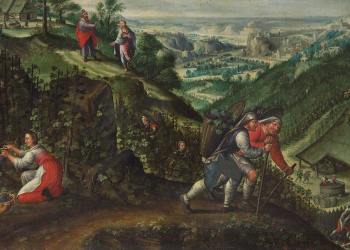
Today’s Gospel (Mt 21:28–32) also presents us with a parable: that of the two sons whose father sends to work his vineyard. The first said no but then changed his mind and decided to go; the second said yes but then ended up not going.
Compared to last Sunday’s Gospel reading (Mt 20:1–16), the context has changed significantly.
In Matthew chapter 21, we enter the days leading up to Passover: Jesus made his solemn entry into Jerusalem (Mt 21:1–11), then entering the temple, He drove out all who were buying and selling (Mt 21:12–17). Now He is back in the temple, discussing with the chief priests and the elders of the people.
Jesus tells this parable to them, as cleansing the temple provoked and annoyed them. Now they are questioning Him about His identity and authority: “By what authority are you doing these things? And who gave you this authority?” (Mt 21:23)
As often happens, Jesus does not answer directly, but instead offers them path, a means, to examine themselves and become aware of the hardness of their own hearts - closed to God who is reaching out to them in a new way.
For this reason, he brings up the example of John the Baptist, whom the people recognized as a prophet, but whom they themselves disdainfully rejected (Mt 21:24–27).
The question, therefore, is not simply to know by what authority Jesus drove the merchants out of the Temple, but to understand whether, and to what extent, they are willing to put themselves on the line and believe in God’s revelation. Indeed, it can happen that a person thinks and says that they are willing to welcome the Lord, while in reality they are not.
And so we come to today’s parable.
The parable speaks of two brothers who have one thing in common: both end up acting contrary to what they have said.
The first says no and then goes; the second says yes and then does not go.
What, then, is the difference between the two? It lies in a word that Matthew attributes only to the first brother: “repentance.”
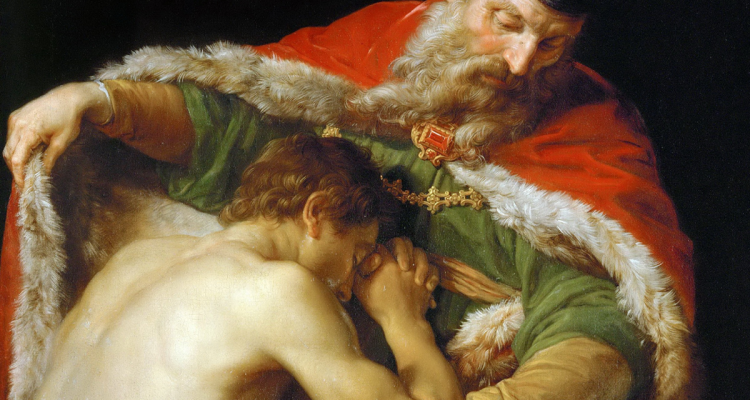
The second says one thing and then does another. In words, he appears obedient and consistent, but in reality he evades his father’s request and remains where he is. Of the first son, however, and of him alone, it is said that he repented (Mt 21:29): at first, he does not want to go, but then he repents. It is a true change of direction, a true conversion.
The same term, repentance, appears again in the last verse. Jesus tells his interlocutors that, in the sight of John the Baptist, the tax collectors and sinners changed their ways. The Pharisees and the leaders saw and heard the Baptist; they also saw the conversion of the tax collectors and sinners, yet they did not repent so as to believe him (Mt 21:32).
There is, therefore, the repentance of the last —the tax collectors and sinners—who move from their initial “no” to God’s invitation to a “yes” spoken through their lives. But there is also a repentance asked of the first: the righteous, those who were called first, the workers of the first hour.
What does this repentance consist of?
If we also think back to last Sunday’s parable, that of the workers who were hired at the last hour, we could say that the conversion of the first consists in surrendering to the gratuitousness of God’s gift.
The last are converted more easily than the first and, Jesus says, they go ahead of them (Mt 21:31).
Not because they are better, but because they can be reached and are willing to change.
Their hearts are not guarded by structures or positions: they have nothing to defend. And when the Word reaches them, they set out on the journey.
For the first—for the righteous and the good—it is more difficult. Their repentance is more taxing because it requires them to renounce their own sense of righteousness and their securities, and therefore also the ideas they have built about themselves and about God.
It is the conversion of those who recognize that they, like everyone else, are in need of salvation and mercy; and precisely for this reason, they become free to rejoice in what is good, wherever it is revealed and freely offered to all.
+Pierbattista
*Translated from Italian