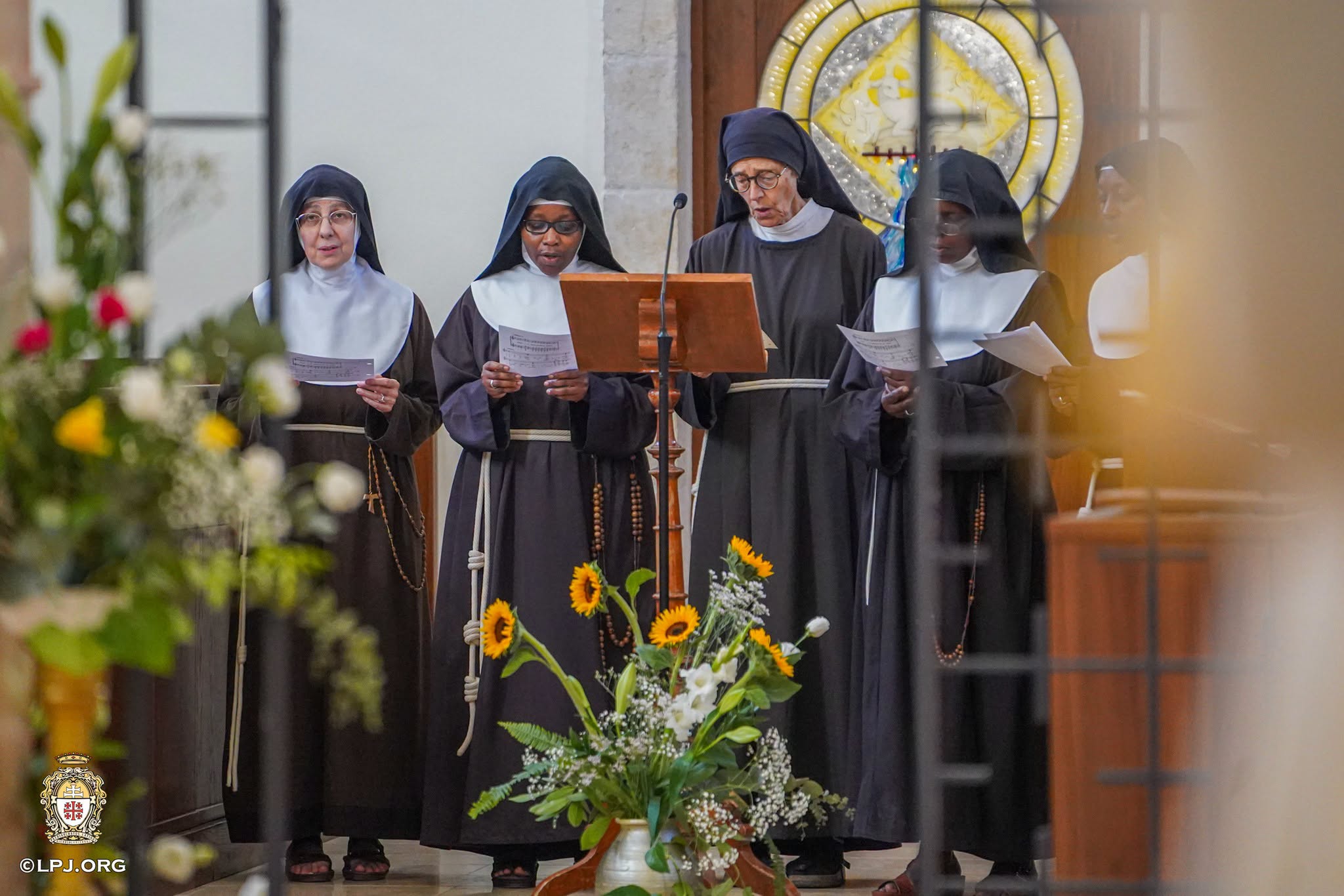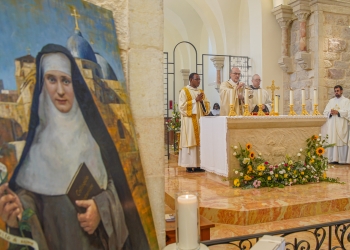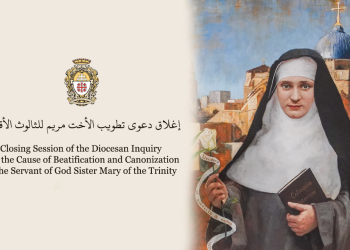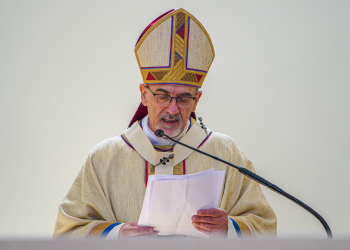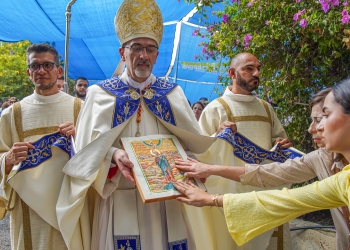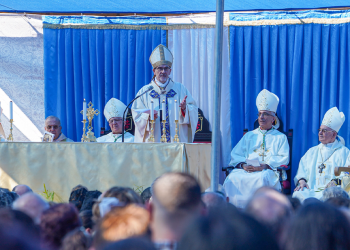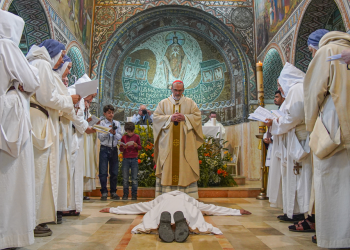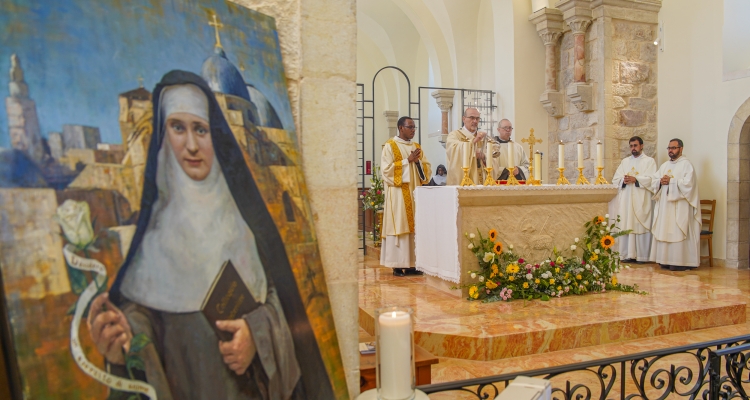

On November 1, 2026, the Solemnity of All Saints, His Beatitude Cardinal Pierbattista Pizzaballa, Latin Patriarch of Jerusalem, presided over the Mass marking the conclusion of the Diocesan Inquiry into the Cause of Beatification and Canonization of the Servant of God Sister Mary of the Trinity (Louisa Jaques, 1901–1942), at the Monastery of St. Clare in Jerusalem.
Her story is one of loss, despair, and a search for meaning that eventually led her to find her calling to love God in Jerusalem. Born in South Africa in 1901 into a Protestant family, Louisa Jaques lost her mother at birth and was raised by her aunt in Switzerland. At the age of twenty-five, burdened by fragile health, personal disappointments, and loneliness, she reached a moment of profound despair. “There is no God – everything people say about Him is a joke. Life isn’t worth living,” she wrote. Yet, on the night of February 13–14, 1926, she experienced a profound spiritual encounter that she later described as the moment when “despair entered the light.” This marked the beginning of her journey towards conversion to Catholicism and religious life. After several difficulties in finding a religious community because of her health, she entered the Monastery of the Poor Clares in Jerusalem in 1938, taking the name Sister Mary of the Trinity. She died in 1942, at the age of 41, leaving behind a spiritual legacy whose reputation for holiness has reached fifty countries across all continents.
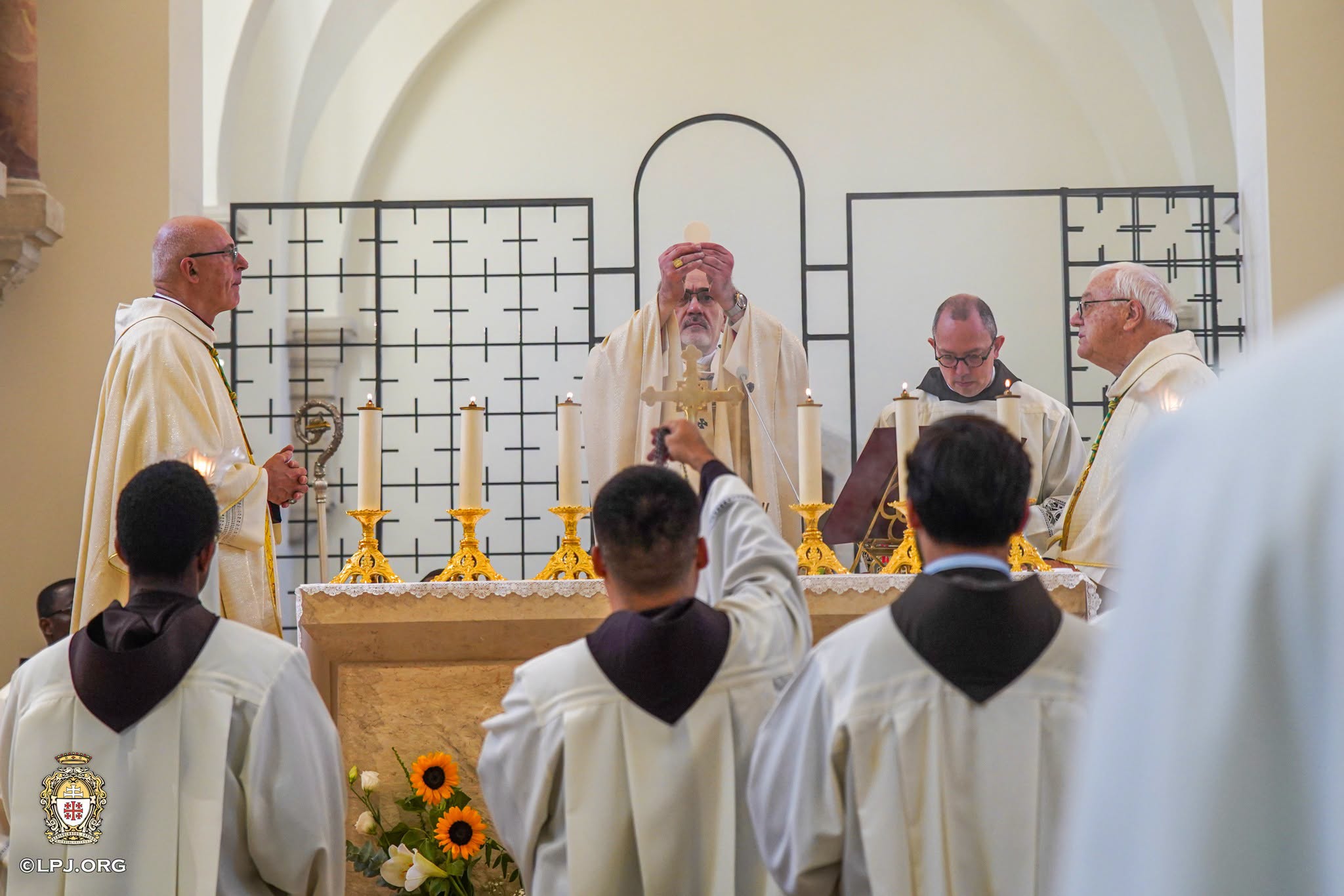
Reflecting on her life, Cardinal Pizzaballa said: “The life of Sister Mary of the Trinity bears witness to God's faithfulness to His promises, which are always of life and fruitfulness. The ‘little seed planted here, in the soil of Jerusalem,’ allowed God's love to transform her and, through a life shaped by the Beatitudes, has borne fruits of life, unity, and charity”.
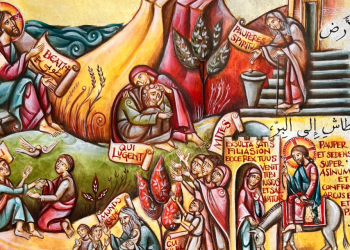
The Solemnity of All Saints gave particular meaning to the occasion. In his homily, the Cardinal reflected on holiness as the fruit of allowing God's love to transform human fragility. Recalling Sister Mary's own words, “Here is the story of my weaknesses and of the Lord's mercy,” he reminded the faithful that holiness does not mean being without weakness, but allowing God to work through it. Turning to the Beatitudes he said : “A heart becomes pure when it stops constantly justifying itself and accepts its need for forgiveness, and asks for it.” He added, “In the face of words that humiliate, we can restore dignity; in the face of someone who is excluded, we can draw near.”
Addressing the reality of Jerusalem, Cardinal Pizzaballa recalled the vision in the Book of Revelation of a multitude gathered before the Lamb, “from every nation, tribe and tongue.” In a city marked by wounded memories and divisions, he urged Christians “to make room for others in our prayer and in the way we fulfil our responsibilities.” He concluded: “Every act of reconciliation lived among you, every act of faithfulness preserved amid hardship, belongs to the life of the whole Church.”
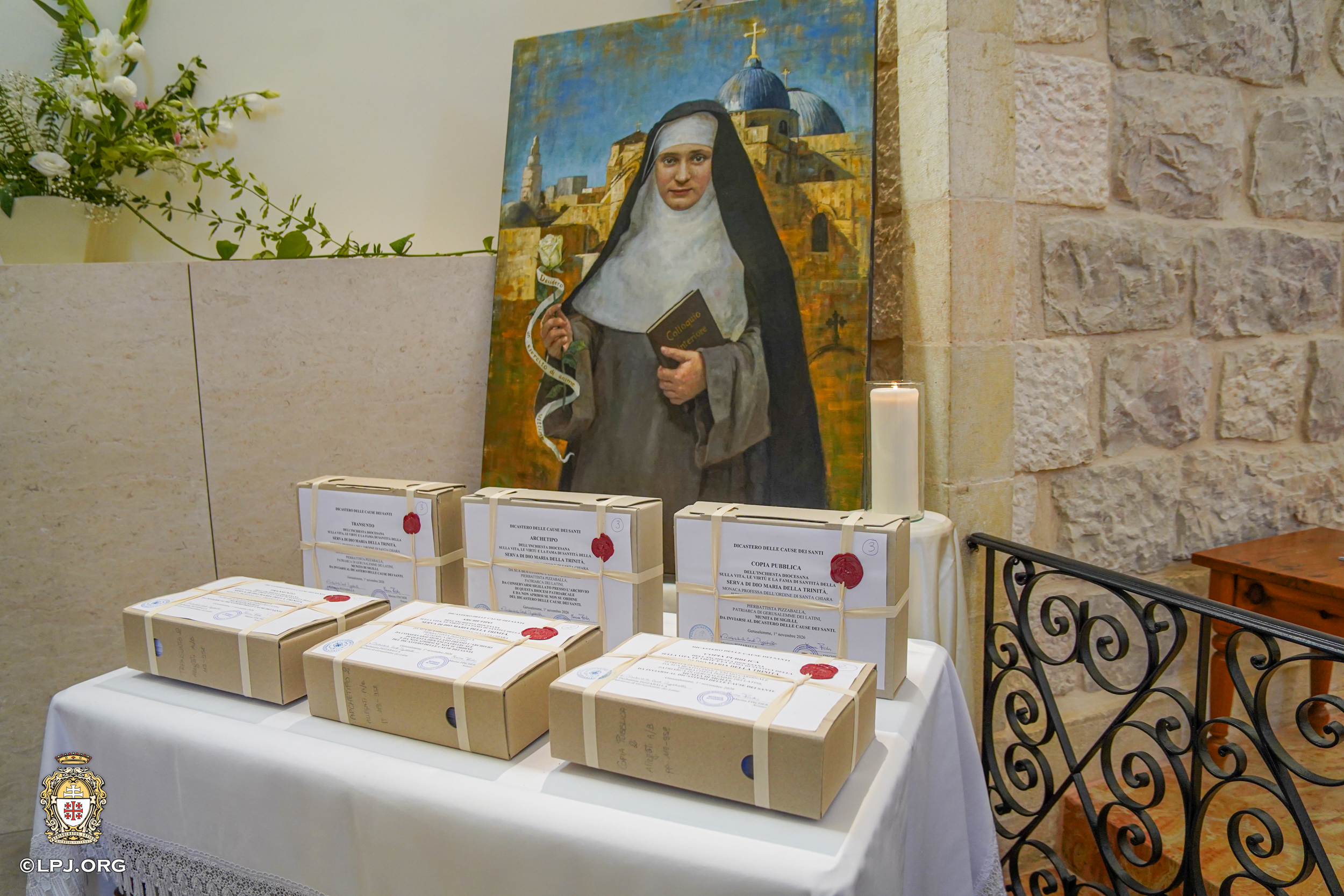
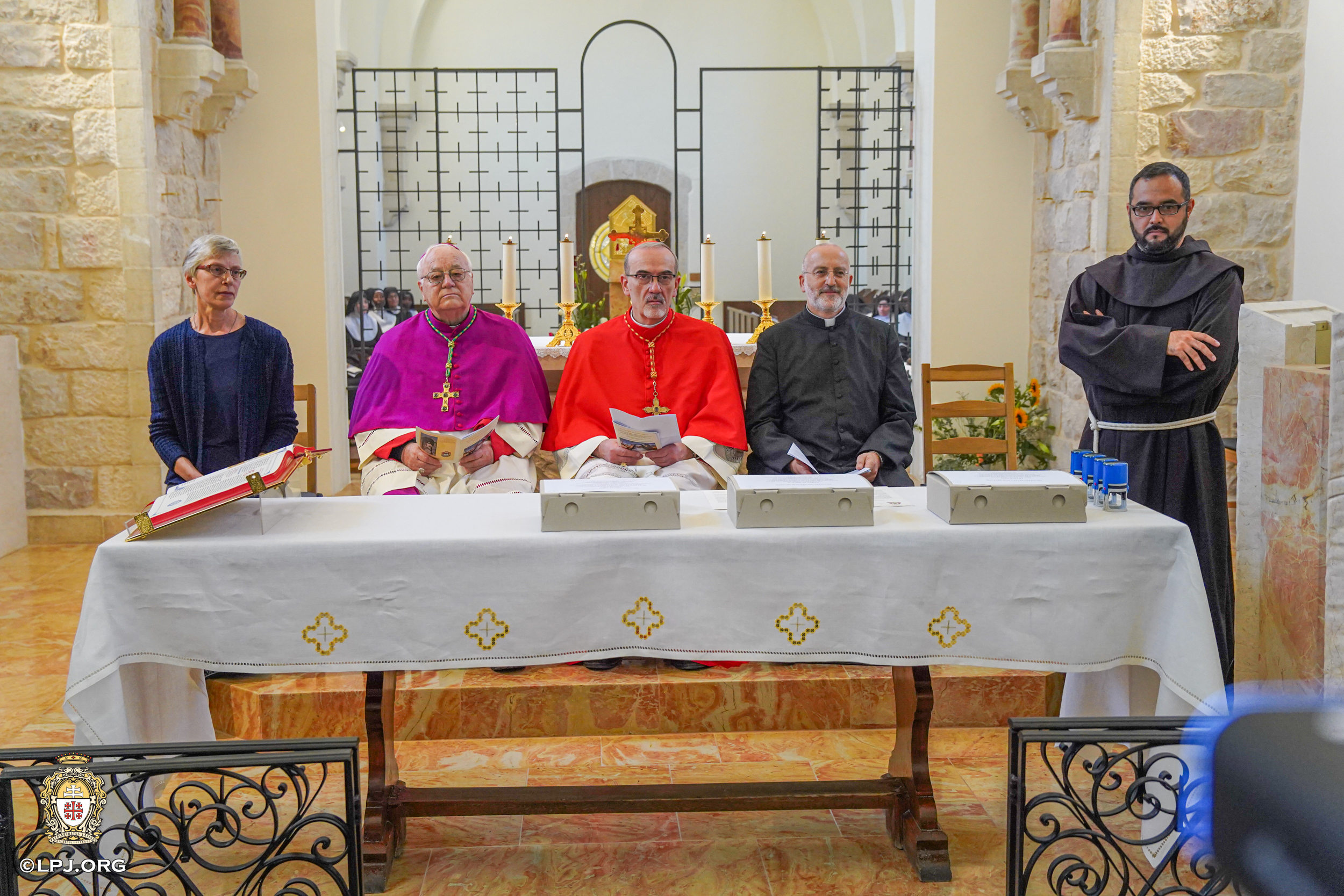
Following the Mass, Cardinal Pizzaballa presided over the final session of the Inquiry and oversaw the formal oath-taking of the Tribunal members: the Episcopal Delegate, Archbishop Ilario Antoniazzi; the Promoter of Justice, Fr. Filippo Morlacchi; the Notary, Sister Marina Fischer; and the Vice-Postulator, Fr. Ulise Zarza. The Inquiry, opened on April 30, 2025, gathered documentary and testimonial evidence to establish the truth and attain moral certainty concerning the heroic virtues of the Servant of God.
After the official Acts of the Inquiry were sealed, the Cardinal entrusted them to Fr. Antonino Milazzo, officially appointed as their bearer, for delivery to the Dicastery for the Causes of Saints at the Holy See. This marks the conclusion of the diocesan phase and the beginning of the Mother Church phase, during which the documentation will undergo examination and discernment by the Holy See.
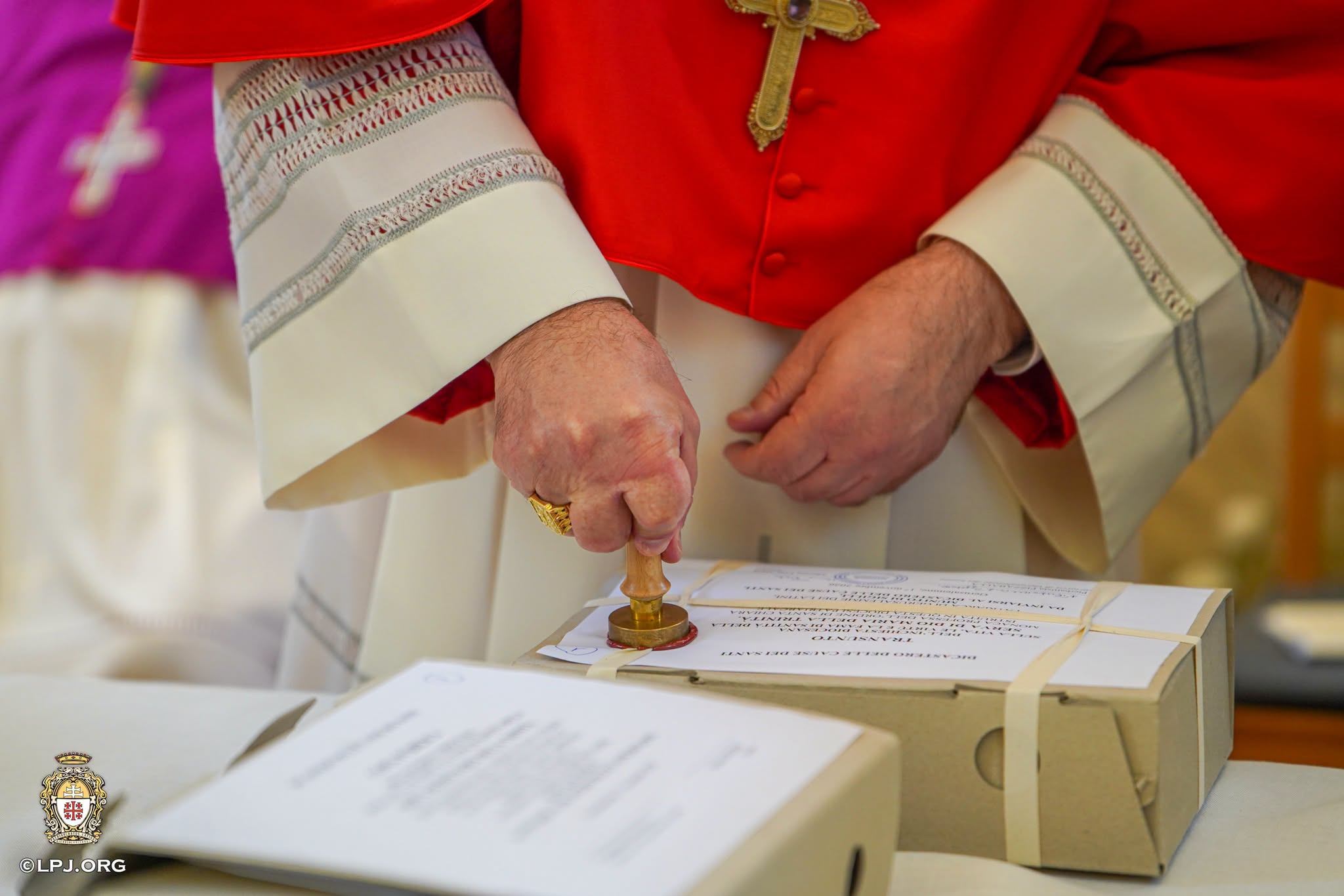
As the Acts were handed over, Cardinal Pizzaballa offered a prayer that brought the occasion back to the image at the heart of Sister Mary's life: “We hand it over also with a prayer: that the Lord, through the intercession of the Servant of God Sister Mary of the Trinity, may grant that we too, in our own vocation and in our own time, may become that little seed which is not afraid to fall into the earth, to die to itself, and to allow itself to be transformed by the power of God's love.”
The mortal remains of Sister Mary of the Trinity rest in the church of the Monastery of St. Clare in Jerusalem.